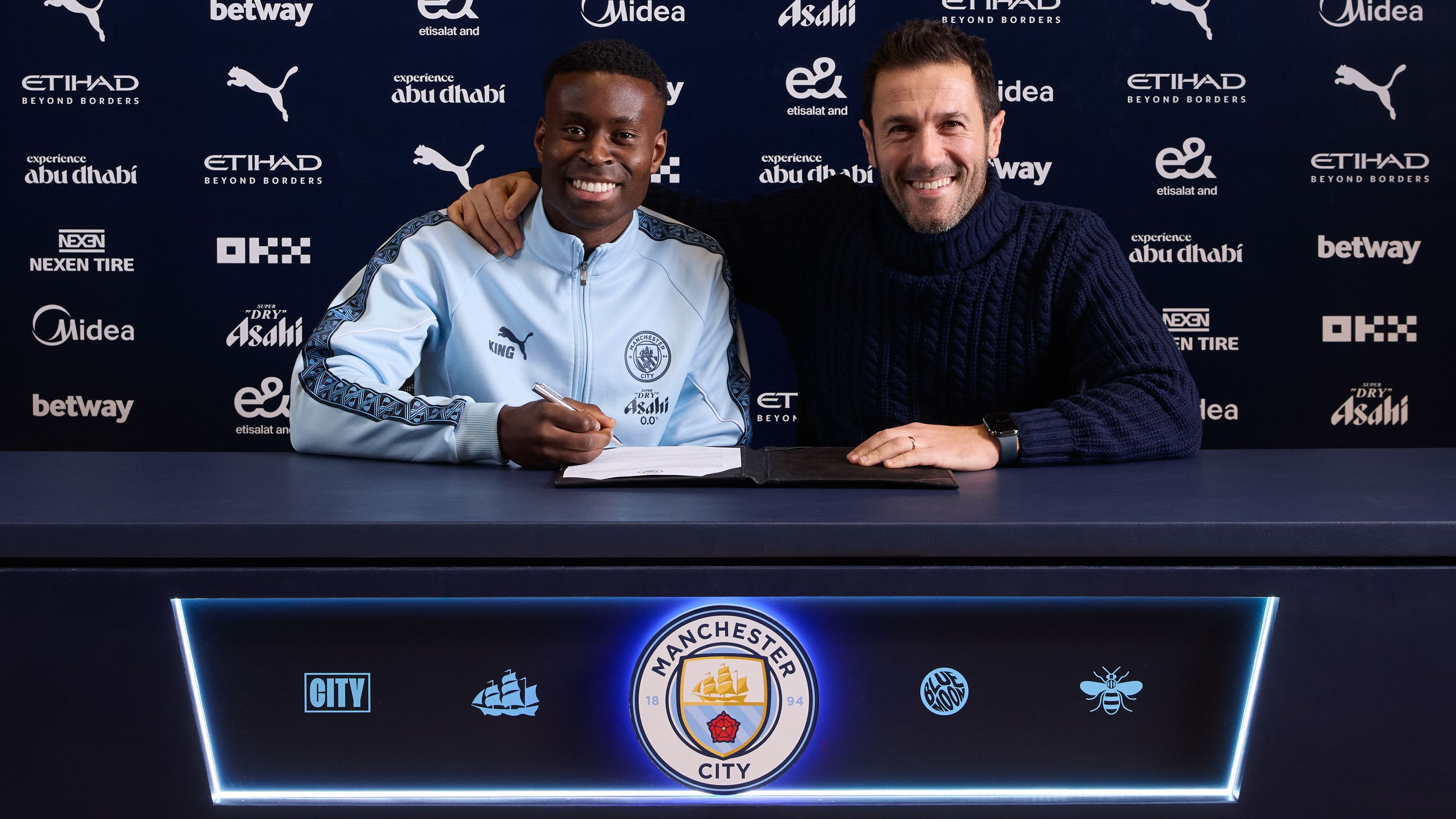
Transfersare a central component in football, with the biggest clubs in the world exchanging mind-boggling sums of money in order to sign the players they want.
So, what exactly is a transfer in football, how do they happen and what is involved in the process?GOALtakes a look at how it all works.
A transfer in football is abusiness transactionbetween two clubs which sees a player move from one club to the other.
If a player is under contract, the club wishing to secure his or her services are usually expected to pay compensation - otherwise known as atransfer fee.
The transfer fee takes into account a number of factors, including the perceived quality of a player, current contract length, commercial value and potential worth, among others.
Return to top
A transfer happens in football when two clubsagree terms of saleand the buying clubagree a contract with the player.
Like any business transaction, a transfer can occur in a variety of ways.
When a club is interested in signing a player, a representative from that club will usuallymake an official enquiryto the club which has their target under contract.
If a club is open to selling a player, the prospect of joining a new club is naturally put to the player in question, who then considers it with their agent and advisors.
There are a number of moving parts involved in order to complete the transfer.
First of all, the two clubs must negotiate transfer fees along with any clauses, such as sell-on percentages and other financial inducements.
Then the buying club must negotiate a fresh contract with the player they wish to recruit, endeavouring to meet the terms requested in respect of salary, bonuses, contract length and so on.
The practice of'tapping up'involves the persuasion of a player to move clubs without having first gone through official club channels.
Strictly speaking, tapping up is prohibited - there are rules against it - but it happens frequently and is something that is quite difficult for authorities to enforce.
Return to top
Afootball agentis an individual who represents a player's general interests, but specifically when it comes to issues such as contract negotiations.
In the scenario of contract negotiations, the agent is essentially a player's legal representative, tasked with securing the best possible deal for their client.
A good agent will possess expert knowledge of the legal intricacies involved, as well as being a capable negotiator - something that can sometimes be to the chagrin of clubs.
Agentscharge feesfor their services - often a percentage of their clients' wages - and in some cases, they demand bonuses for their part in transfers.
Jorge Mendes and the late Mino Raiola are famous examples of football agents. Their reputations helped them each acquire a vast portfolio of highly valued talent, earning them both the moniker of 'super agent'.
Return to top
There aretwo official transfer windowsduring which transfers are allowed to take place each season. These windows are also known as 'registration periods'.
Each national association must decide on when these windows occur for their respective men's and women's football seasons.
They are usually defined as summer and winter transfer windows, with the dates falling during pre-season and then at the mid-way point of a season.
Return to top
Afree transferis when a player moves from one club to another without a transfer fee being exchanged. Free transfers usually occur when a player's contract at a club is expiring or has expired.
Players are free to negotiate with other clubs without their old club receiving a transfer fee when there are six months left on their contract.
Such a transfer is sometimes referred to as aBosman, after the 1995 Bosman ruling.
Return to top
Atransfer requestis a formal appeal made by a player to the club they are under contract with to facilitate a transfer to another club.
If a club does not want to sell their player and repeatedly rejects transfer bids, a player may opt to issue a formal transfer request in defiance.
Transfer requests usually serve as a sort of 'come-and-get-me' plea and are often designed to make public a player's dissatisfaction with their current situation.
Return to top